
You just finished lunch. Forty minutes later, you want something sweet. You resist. You give in. You feel guilty. And tomorrow it happens again.
This is not a willpower problem. This is your body sending a signal.
Constant sugar cravings are one of the most overlooked signs of hormonal imbalance, blood sugar instability, insulin resistance, or nutrient deficiency. In India, where refined carbohydrates dominate most meals and stress levels are high, this problem affects millions of people quietly and women especially.
This guide explains what is actually causing your cravings, the warning signs you should not ignore, and practical steps that genuinely work.
Why Do I Crave Sugar All the Time?
Constant sugar cravings happen when your blood sugar keeps spiking and crashing, when stress hormones like cortisol are elevated, when you are low in nutrients like magnesium or chromium, when sleep deprivation affects your hunger hormones, or when an underlying condition like PCOS, thyroid imbalance, or insulin resistance is affecting how your body processes glucose. Women dealing with hypothyroidism or looking for thyroid treatment naturally often report that uncontrollable sugar cravings are one of their first and most persistent symptoms, yet the thyroid connection is almost never discussed.
One craving after a meal is normal. Cravings that are daily, urgent, and hard to control are your body asking for attention.
What Makes Sugar Cravings Different From Regular Hunger?
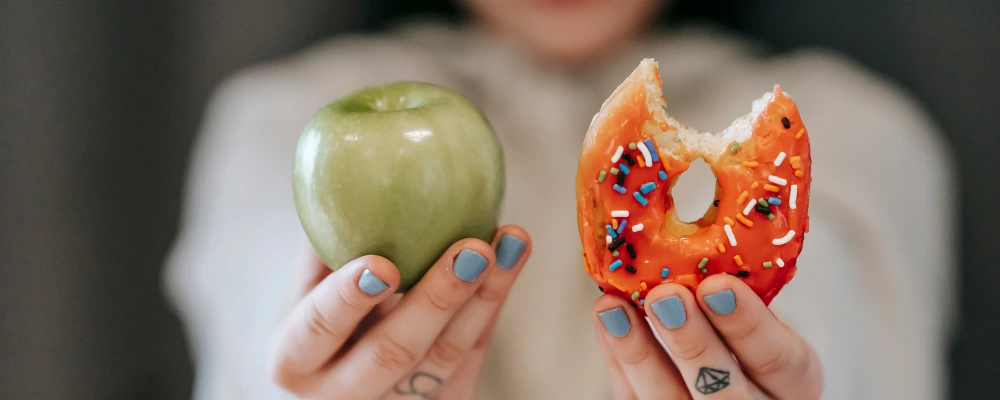
Regular hunger builds slowly. Sugar cravings arrive suddenly and feel specific. You do not want food in general. You want something sweet, right now.
This difference matters because it points to blood sugar and brain chemistry rather than actual calorie need. When blood sugar drops sharply after a spike, the brain triggers an urgent signal for fast energy. The fastest energy source it knows is sugar. So it asks for exactly that.
Over time this becomes a cycle. Eat refined food. Blood sugar spikes. Crashes. Craving hits. Eat sugar. Repeat. The body begins to expect this pattern and the cravings become stronger and more frequent.
Understanding this cycle is the first step to breaking it.
6 Real Reasons You Are Craving Sugar All the Time
1. Your Blood Sugar Is Unstable
This is the most common cause and the one most people miss because it feels invisible from the outside.
When you eat maida-based foods, white rice, biscuits, packaged snacks, or anything high in refined carbohydrates, your blood sugar rises fast and falls fast. The crash is what triggers the craving. Your body is not asking for sugar because it is greedy. It is asking because it thinks it is running out of fuel.
This is why cravings often feel strongest at specific times. Mid-morning if you skipped breakfast, early afternoon after a heavy rice-based lunch, or late evening after going too long without eating.
2. Hormonal Imbalance Is Affecting Your Blood Sugar
Hormones directly control how the body manages blood sugar. When they are out of balance, blood sugar becomes unstable and cravings increase.
Women with PCOS often experience this intensely. PCOS is closely linked to insulin resistance, which means the body cannot process glucose efficiently. The result is frequent, intense cravings. Similarly, thyroid disorders, particularly hypothyroidism, slow metabolism and cause the body to crave quick energy sources. PMS and perimenopause bring fluctuations in estrogen and progesterone that further destabilise blood sugar.
If your cravings are strongest around your period, during stressful weeks, or seemingly at random, hormonal imbalance may be the root cause.
3. Chronic Stress Is Raising Your Cortisol
Cortisol is your stress hormone. When you are under pressure, cortisol rises. It raises blood sugar to prepare your body for action. Then blood sugar drops. And the craving kicks in.
Beyond this, cortisol directly increases the brain’s desire for high-sugar and high-fat comfort foods. This is why emotional eating is not just a habit. It is a physiological response to stress hormones.
Many people notice their cravings are worst during a difficult work period, after an argument, during exam season, or late at night when the day’s stress has accumulated. This is cortisol at work.
4. Poor Sleep Is Disrupting Your Hunger Hormones

One night of poor sleep changes your entire hunger chemistry the next day.
Sleep deprivation raises ghrelin, the hormone that signals hunger. It lowers leptin, the hormone that signals fullness. With these two hormones out of balance, your body feels hungry even when it has eaten enough. And the specific food it craves most in this state is sugar because that is what gives the fastest energy hit.
This is why cravings on sleep-deprived days feel harder to manage than on well-rested days. It is not imagination. It is biology.
5. You May Be Deficient in Key Nutrients
This is the cause that almost no one talks about but research consistently supports.
Magnesium helps regulate blood sugar and insulin sensitivity. When magnesium is low, blood sugar fluctuates more and cravings increase. Magnesium is found in palak, methi, banana, pumpkin seeds, and almonds, foods that many people simply do not eat in adequate quantities.
Chromium helps insulin work efficiently. When chromium is low, the body processes glucose less effectively, leading to more frequent blood sugar crashes and stronger cravings. Whole grains, broccoli, and barley are good sources.
Zinc affects appetite regulation and how the brain reads sweetness signals. Low zinc can cause the body to crave sweet foods more intensely.
If your diet is high in processed and packaged foods and low in vegetables and whole grains, nutrient deficiency may be a significant driver of your daily cravings.
6. It Is Emotional, Not Just Physical
Sometimes the craving has nothing to do with blood sugar at all.
Sugar triggers dopamine, the brain’s pleasure chemical. It provides a short, reliable emotional lift during boredom, sadness, anxiety, or loneliness. Over time, the brain learns to reach for sugar whenever it needs comfort. The craving becomes emotional rather than physical.
This does not mean the craving is imaginary. It means the cause is different and the solution needs to address emotional health, not just diet.
Sugar Cravings and Insulin Resistance: What Every Indian Should Know
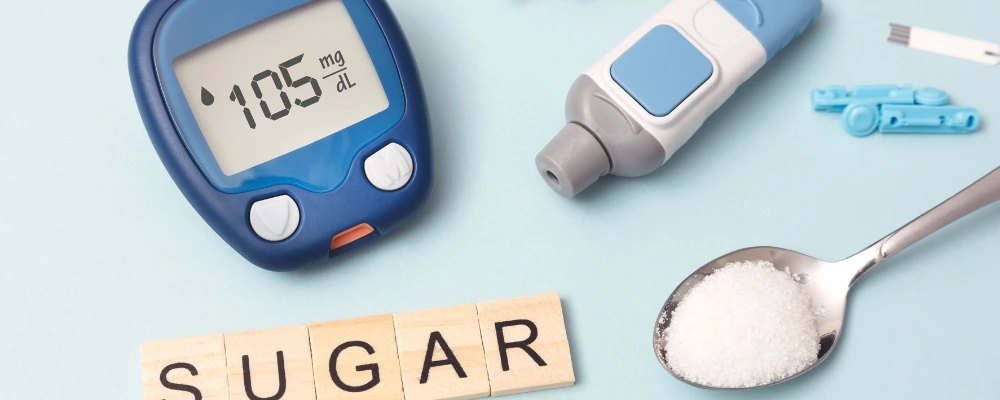
Most people do not connect their afternoon sweet craving to insulin resistance. But in India, this connection is critically important.
The ICMR-INDIAB study found that India has an estimated 136 million people living with prediabetes. Most of them have no idea. Indians also carry a higher genetic risk for insulin resistance compared to many global populations. Add the Indian dietary shift toward maida, white rice, sugary chai, and packaged snacks, and the conditions for insulin resistance developing at a young age are present across millions of households.
What Insulin Resistance Actually Means
Insulin is the hormone that moves glucose from your blood into your cells. When cells stop responding to it properly, the body produces more and more insulin trying to compensate. Blood sugar stays elevated. Energy goes to storage rather than use. And the body keeps craving glucose because cells are not getting the energy they need.
Insulin resistance often develops silently for years before any blood test flags it as a problem. But the body does give signals.
Signs That Your Cravings May Be Connected to Insulin Resistance
Watch for these signs appearing together. Any one of them alone may not mean much. But several together, especially alongside frequent sugar cravings, deserve a doctor’s attention.
Persistent fatigue even after eight hours of sleep. Belly weight that stays despite clean eating and exercise. Dark patches appearing on the neck, underarms, or inner thighs, a skin condition called Acanthosis Nigricans that is a visible and well-known indicator of insulin resistance. Feeling hungry again within an hour of a full meal. Afternoon energy crashes around 3 to 4 PM. Difficulty concentrating or persistent brain fog. Irregular or skipped periods in women.
If this sounds familiar, ask your doctor about a fasting insulin test and HbA1c. These two simple tests can reveal insulin resistance long before it becomes type 2 diabetes.
Could Your Sugar Cravings Be an Early Warning Sign of Diabetes?
Frequent sugar cravings alone do not confirm diabetes. But when they appear alongside a pattern of other symptoms, they become worth taking seriously.
The early signs of prediabetes and insulin resistance can feel mild and easy to dismiss. Fatigue after meals. Feeling thirsty more than usual. Afternoon energy slumps. Difficulty losing weight. Cravings that feel urgent rather than casual. These are also some of the most common early symptoms of high blood sugar that people overlook for months or even years.
If you are experiencing these signs regularly, understanding your blood sugar levels through a simple test is the first step toward diabetes management and prevention. Many people who get tested at this stage are surprised to find they are already in the prediabetes range, where the right support can still reverse the condition completely.
The important thing to understand is this. Prediabetes is reversible. When caught early through simple blood tests, lifestyle changes in diet, movement, stress, and sleep can bring blood sugar back to normal. For those already diagnosed, exploring the right diabetes treatment approach early, whether through lifestyle changes, natural therapies, or personalised medical support, makes a significant difference in long-term outcomes. Waiting until the symptoms are more obvious reduces the options available.
If your cravings are constant and not occasional, this is worth investigating.
How to Stop Sugar Cravings Instantly: 5 Things That Actually Work
When a craving hits hard and you need something that works in minutes, not weeks, these five approaches are effective and practical.
- Drink a full glass of water – Dehydration is one of the most common hidden triggers of sugar cravings. The brain frequently misreads thirst signals as hunger or cravings. Drinking water immediately can reduce craving intensity within a few minutes. Try this first before anything else.
- Eat a small handful of almonds or walnuts – The combination of healthy fat and protein stabilises blood sugar rapidly. This removes the blood sugar crash that is driving the craving. Keeping a small portion in your bag or at your desk makes this easy to access at the right moment.
- Make cinnamon tea or ginger tea – Cinnamon actively supports blood sugar regulation and blunts sweet cravings. Ginger settles the digestive system and curbs the urge for sugar. Both are inexpensive, easy to prepare, and genuinely effective for many people.
- Have a small piece of dark chocolate with 70 percent or more cocoa – This satisfies the sensory need for something sweet while providing far less sugar than conventional mithai or biscuits. It also contains magnesium, which supports blood sugar stability.
- Take a five-minute walk – This is the most underrated fix on this list. Light movement improves how cells respond to insulin and breaks the mental loop of craving by changing your body’s chemistry and shifting attention. It works quickly and the effect is real.
How to Reduce Sugar Cravings Naturally: Daily Habits That Create Lasting Change
Instant fixes handle the moment. These habits change the pattern.
Do Not Skip Meals or Eat Too Far Apart
Do not let more than three to four hours pass between meals. When the body stays hungry for too long, blood sugar drops and the craving becomes intense. Eating balanced meals at regular intervals that include protein, complex carbohydrates, and healthy fat at every meal keeps blood sugar stable enough that cravings either do not appear or feel much easier to manage.
Switch to Low-GI Indian Foods
The type of carbohydrate matters more than the quantity. Replacing high-GI foods with lower-GI alternatives is one of the most effective changes an Indian diet can make.
Replace maida-based breads and biscuits with jowar roti or bajra roti. Swap white rice with smaller portions combined with more dal and sabzi. Eat poha or daliya at breakfast instead of refined cereals. Include rajma, chana, and masoor dal regularly for their protein and fibre. Soak methi seeds overnight and consume them in the morning, as research shows this reduces post-meal blood sugar spikes.
These are not drastic changes. They are realistic adjustments within the same food culture that add up to significant blood sugar improvements over time.
Stay Hydrated Consistently
Eight to ten glasses of water daily is the minimum for good metabolic function. Reducing sweetened drinks including the extra chai that many people add sugar to without thinking noticeably reduces craving frequency within a week for most people. Replacing one sweetened drink daily with water or herbal tea is a practical and achievable starting point.
Protect Your Sleep
Seven to eight hours of consistent sleep is not a luxury. It is a biological requirement for managing hunger hormones. Ghrelin and leptin are regulated during sleep. One or two nights of disrupted sleep can noticeably increase next-day cravings and make them harder to resist. Improving sleep quality is one of the highest-impact changes you can make for craving control.
Manage Stress Actively and Consistently
Managing stress is not optional when cravings are a problem. Cortisol from chronic stress is one of the most persistent drivers of recurring sugar cravings. Daily yoga, pranayama, breathing exercises, or even thirty minutes of walking creates measurable reductions in cortisol over time. These practices also support hormonal balance and sleep quality, which creates a compounding positive effect on cravings.
Add Magnesium and Chromium Through Your Food
Directly addressing nutrient deficiency makes a practical difference. Include palak, methi, banana, and pumpkin seeds for magnesium. Add broccoli, barley, whole grain chapati, and green vegetables for chromium. These are not supplements. They are foods. And they work by giving the body what it needs so it stops sending craving signals.
Why Do Cravings Keep Coming Back Even When You Try to Stop Them?
This is the question most people do not ask but need to.
Willpower works for a day, maybe a week. But if the blood sugar is unstable, cortisol is high, hormones are imbalanced, sleep is poor, and the body is deficient in key nutrients, cravings will return. Every time. Because they are not a character flaw. They are a biological response to conditions in the body.
This is why many people try restricting sugar, feel better briefly, then find the cravings come back as strong as ever. The restriction removed the symptom temporarily. The cause remained.
Lasting change requires addressing what is actually driving the cravings. That is different for every person. For some it is hormonal. For others it is emotional. For many in India, insulin sensitivity and diet quality are the main factors. Understanding your specific pattern is the starting point for genuinely changing it.
How Homeopathy Addresses the Root Cause of Recurring Sugar Cravings

Many people come to homeopathy after trying diets and supplements that only worked temporarily. The reason their cravings kept returning is that the root cause was never properly addressed.
Homeopathic treatment does not target the craving as an isolated symptom. It looks at the full picture. Hormonal health, emotional patterns, sleep quality, stress levels, digestion, and lifestyle are all considered together. The aim is to support the body’s own systems so that the conditions creating the cravings are resolved from within.
For women dealing with PCOS-related insulin resistance, thyroid-linked fatigue, or emotional eating tied to anxiety, a personalised approach that takes all of these factors into account consistently produces better and longer-lasting results than managing each symptom separately.
Patients commonly choose Afecto Homeopathy for sugar cravings linked to PCOS or thyroid imbalance, emotional eating and stress-related craving patterns, hormonal irregularities affecting energy and mood, insulin resistance and metabolic wellness support, and long-term results without dependency on medication.
Still Craving Sugar Every Day? It May Be Time to Talk to a Doctor.
If your sugar cravings are constant, come with fatigue, weight changes, irregular periods, or mood swings, or if they have been happening for months without improvement, your body is communicating something specific.
The good news is that most of the underlying causes are addressable. Insulin resistance caught early is reversible. Hormonal imbalances can be supported. Nutritional deficiencies can be corrected. The body responds well when given the right support.
At Afecto Homeopathy Clinics, every consultation starts with understanding what is actually behind your cravings, not just the craving itself. Your health history, hormonal patterns, lifestyle, stress, sleep, and symptoms are all taken into account before any treatment is recommended.
- PCOD problems
- Thyroid problems
- Irregular periods
- Mood swings
- Hormonal fatigue
- Menopause symptoms
- Emotional stress
If you are looking for a trusted homeopathic doctor in Delhi or an experienced homeopathy doctor in Jalandhar, Afecto Homeopathy offers consultation and individualized treatment plans focused on natural healing and long-term wellness.
Visit your nearest homeopathy clinic to experience a healthcare model that actually listens. We are proud to serve communities across Northern India with state-of-the-art facilities.
Clinics are available in:
- Delhi (Green Park)
- Jalandhar
- Amritsar
- Patiala
- Dharamshala
- Other cities in Punjab and Himachal Pradesh
Book an Online Consultation
If you have been experiencing symptoms like irregular periods, thyroid symptoms, mood swings, fatigue, or PCOD-related issues, it may be time to understand the root cause properly instead of ignoring the signs.
You can book an online consultation with experienced doctors at Afecto Homeopathy for personalized guidance and treatment support from the comfort of your home.
Get expert support for:
- PCOD symptoms
- Thyroid problems
- Hormonal imbalance
- Mood swings
- Irregular periods
- Women’s hormonal health concerns
Final Thoughts
Sugar cravings are not about weak willpower. They are a signal your body is sending for a reason.
Understanding that reason is the first step toward actually fixing it. Whether it is your hormones, your sleep, your diet, or something deeper like thyroid imbalance or insulin resistance, the right support makes all the difference.
Start with small changes, listen to your body, and do not ignore the signs it keeps showing you.
Frequently Asked Questions About Sugar Cravings
1. Why am I craving sugar all the time even after eating?
The most common reasons are blood sugar instability after meals, insulin resistance, deficiencies in magnesium or chromium, elevated cortisol from stress, disrupted sleep hormones, or an underlying hormonal condition like PCOS or thyroid disorder. When blood sugar drops quickly after eating, the body sends an urgent craving signal for fast energy even if you recently had a full meal.
2. What nutrient deficiency causes sugar cravings?
Magnesium deficiency is the most common. Magnesium supports blood sugar regulation and insulin sensitivity. Low levels cause blood sugar to fluctuate more and cravings to increase. Chromium deficiency is a close second. Without enough chromium, blood sugar instability and cravings both worsen. Zinc deficiency also affects appetite signalling and can increase the intensity of sweet cravings.
3. Can hormonal imbalance cause sugar cravings?
Yes, strongly. PCOS, thyroid disorders, PMS, perimenopause, and chronically elevated cortisol all disrupt how the body regulates blood sugar. When hormones are imbalanced, glucose metabolism becomes less efficient, blood sugar swings become wider, and cravings become more frequent and harder to manage.
4. What are the signs that sugar cravings are connected to insulin resistance?
Look for intense afternoon cravings, persistent fatigue even after sleep, belly weight gain, dark patches on the neck or underarms called Acanthosis Nigricans, feeling hungry again soon after eating, brain fog, and in women, irregular or missed periods. These signs together with frequent sugar cravings suggest insulin resistance is worth testing for through a fasting insulin and HbA1c blood test.
5. How do I stop sugar cravings instantly?
Drink a full glass of water first. Eat a handful of almonds or walnuts. Sip cinnamon or ginger tea. Have a small piece of dark chocolate with 70 percent or more cocoa. Take a five-minute walk. These five approaches work quickly by stabilising blood sugar, rehydrating the body, or shifting brain chemistry away from the craving.
6. Are constant sugar cravings an early sign of diabetes?
They can be. Frequent cravings appearing alongside fatigue after meals, increased thirst, afternoon energy crashes, unexplained weight gain, and brain fog may indicate insulin resistance or prediabetes. A fasting blood glucose and HbA1c test can confirm or rule this out. Catching it at the prediabetes stage is important because it is still reversible at that point.
7. Why do sugar cravings come back even when I try to stop eating sugar?
Because restricting sugar removes the symptom temporarily but does not fix the cause. If blood sugar is unstable, cortisol is high, hormones are imbalanced, sleep is disrupted, or nutrient deficiencies are present, the cravings will return. The body is sending a signal that requires addressing what is driving it, not just blocking the response.
8. What is the link between PCOS and sugar cravings?
PCOS is strongly associated with insulin resistance. When insulin resistance is present, the body cannot process glucose efficiently. Blood sugar fluctuates more dramatically and cravings for sugary foods become more intense and frequent. Women with PCOS also experience hormonal fluctuations that affect energy and mood, which further amplifies the craving response. Addressing insulin sensitivity is a core part of managing PCOS-related cravings effectively.
9. Can homeopathy help with sugar cravings?
Homeopathy approaches sugar cravings by addressing the underlying causes rather than suppressing the craving itself. Where the root cause is hormonal imbalance, PCOS, thyroid dysfunction, emotional eating, or insulin resistance, personalised homeopathic treatment aims to support those systems directly. Many patients experience significant and lasting reduction in cravings as underlying health issues are addressed through consistent, individualised treatment.