
When women search for PCOS weight gain, they’re usually trying to understand sudden changes in their body. But focusing only on weight often hides the real, early effects of PCOS that quietly disrupt daily life.
PCOS does not always begin with visible weight gain. For many women, it starts with subtle physical, emotional, and hormonal shifts that are easy to dismiss.
This guide is designed to help you recognize those signs early — with clarity, reassurance, and medical accuracy.
What Is PCOS? (A Simple Explanation)
Polycystic Ovary Syndrome (PCOS) is a hormonal and metabolic condition that affects how the ovaries function and how the body regulates insulin.
PCOS can influence:
- Menstrual cycles
- Hormone balance
- Energy levels
- Skin and hair health
- Mood and mental well-being
Not every woman with PCOS gains weight — but PCOS and weight changes are commonly misunderstood and oversimplified.
Why PCOS Is More Than Just Weight Gain
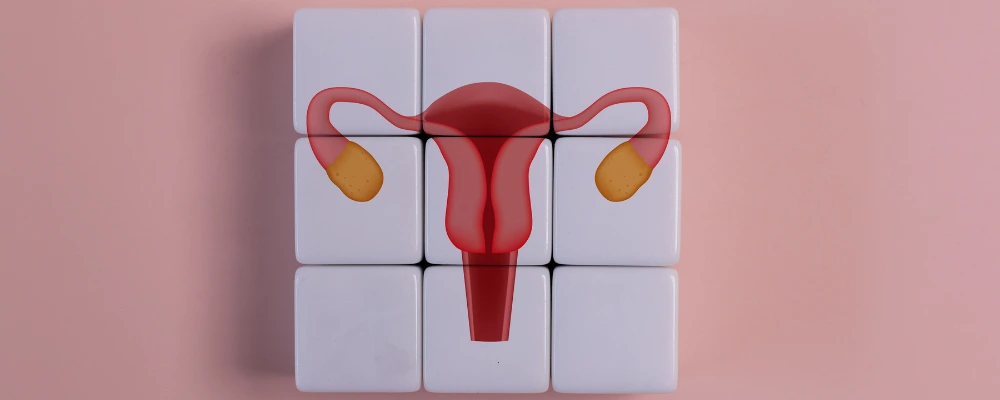
While PCOS can cause weight gain, it is not always the first or main symptom.
Many women experience:
- Hormonal imbalance without visible body changes
- Metabolic shifts even at a healthy weight
- Emotional and energy-related symptoms long before physical ones
This is why PCOS is often diagnosed late.
Early PCOS Symptoms Women Miss in Daily Life
1. Irregular Periods That Still Appear “Normal”
PCOS-related cycle issues may include:
- Cycles that change length every month
- Very light or very heavy bleeding
- Spotting between periods
Because periods still occur, these signs are often ignored.
2. Persistent Fatigue and Low Energy
Fatigue in PCOS is often linked to insulin resistance.
Women may notice:
- Constant tiredness despite adequate sleep
- Afternoon energy crashes
- Brain fog
This is not laziness — it’s a physiological response.
3. Mood Changes and Emotional Sensitivity
Hormonal imbalance can affect neurotransmitters.
Common emotional symptoms include:
- Anxiety
- Low mood
- Irritability before periods
- Feeling emotionally disconnected
These are often mistaken for stress or personality changes.
4. Adult Acne That Doesn’t Respond to Skincare
Hormonal acne in PCOS:
- Appears on the jawline, chin, and neck
- Is it deep or cystic
- Returns repeatedly
This reflects an internal hormonal imbalance, not poor hygiene.
5. Hair Thinning or Excess Hair Growth
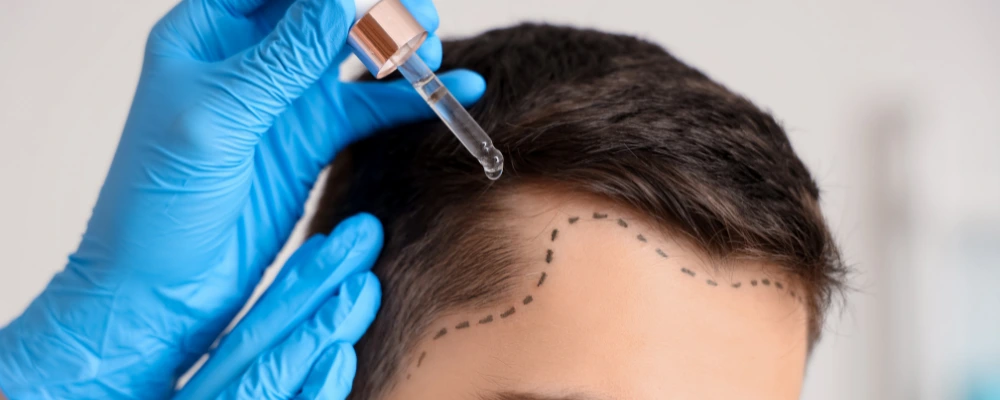
PCOS can cause:
- Thinning hair on the scalp
- Increased facial or body hair
These changes are gradual and emotionally distressing.
6. Sugar Cravings and Sudden Hunger
Many women with PCOS experience:
- Strong sugar cravings
- Feeling shaky when meals are delayed
- Energy drops after eating
This often signals early insulin resistance, even without weight gain.
7. Bloating and Digestive Discomfort
PCOS bloating and weight gain are often linked.
Symptoms include:
- Frequent bloating
- Constipation
- Gut sensitivity
Hormones directly influence digestion and inflammation.
8. Sleep Disturbances
Hormonal fluctuations can disrupt sleep cycles, causing:
- Difficulty falling asleep
- Frequent night awakenings
- Feeling tired after a long sleep
9. Reduced Libido or Discomfort During Intimacy
PCOS can affect:
- Sexual desire
- Vaginal comfort
- Emotional intimacy
These symptoms are common but rarely discussed.
10. A Constant Feeling That “Something Is Off”
Many women describe a persistent sense that their body doesn’t feel the same anymore.
This intuition is often the earliest warning sign.
PCOS and Weight: Clearing the Confusion
PCOS weight gain happens due to:
- Insulin resistance
- Hormonal imbalance
- Inflammation
Some women experience rapid weight gain, while others struggle despite diet and exercise. PCOS can also affect muscle gain, making traditional fitness advice ineffective. Weight changes are a symptom, not the cause.
When Should You See a Doctor?
Consider medical evaluation if:
- Symptoms persist for 3–6 months
- You are gaining weight rapidly or unpredictably
- Periods are irregular
- Emotional distress is increasing
Early diagnosis reduces long-term risks like diabetes and fertility issues.
Understanding the Role of Homeopathy in PCOS Management
PCOS is not a one-time condition that can be “fixed” overnight. It is a chronic hormonal and metabolic imbalance, which means treatment needs to look beyond symptom suppression and focus on restoring internal balance over time. This is where many women begin exploring homeopathy as a complementary or primary approach to PCOS management.
Homeopathy does not treat PCOS as a single disease label. Instead, it views PCOS as an expression of imbalance in the body’s regulatory systems—including hormones, metabolism, emotional health, digestion, and stress response. Two women with PCOS may have completely different symptoms, triggers, and experiences. Homeopathy accounts for this individuality.
How Homeopathy Looks at PCOS Differently
Conventional treatment for PCOS often focuses on:
- Regulating periods artificially
- Suppressing symptoms like acne or hair growth
- Managing weight through external control
While these approaches can be helpful, they may not always address why the imbalance developed in the first place.
Homeopathy, on the other hand, works on:
- The root hormonal dysregulation
- Insulin sensitivity and metabolism
- Stress–hormone interaction
- Emotional patterns linked to hormonal shifts
This approach is particularly relevant for women who:
- Experience PCOS symptoms without significant weight gain
- Keep gaining weight despite lifestyle changes
- Have recurring symptoms once medication is stopped
- Feel emotionally affected by PCOS but unheard in consultations
Homeopathy and Hormonal Regulation in PCOS
Hormonal imbalance in PCOS usually involves:
- Elevated androgens (male hormones)
- Disrupted ovulation
- Irregular estrogen–progesterone balance
- Insulin resistance
Homoeopathic treatment aims to support the body’s self-regulating capacity, rather than overriding it. Remedies are selected based on:
- Menstrual patterns
- Nature of weight changes (slow, rapid, bloating-related)
- Emotional state
- Digestive health
- Sleep quality
- Stress response
Over time, this can help:
- Improve cycle regularity
- Reduce intensity of symptoms
- Stabilise energy levels
- Support metabolic balance
It is important to understand that homeopathy works gradually and systemically, not as a quick symptomatic fix.
Homeopathy and PCOS-Related Weight Changes

PCOS weight gain is often misunderstood as a calorie issue. In reality, it is commonly driven by:
- Insulin resistance
- Chronic inflammation
- Hormonal signalling errors
- Stress-related cortisol imbalance
In homeopathy, weight gain is evaluated in context:
- Is the weight gain rapid or slow?
- Is it associated with bloating?
- Does it worsen before periods?
- Does the person feel exhausted or restless?
- Is appetite increased or suppressed?
This detailed understanding helps guide treatment that supports metabolic correction, not just weight loss. Some women may notice:
- Reduced bloating
- Better appetite regulation
- Improved digestion
- Gradual stabilization of weight
Homeopathy does not promise instant weight loss, but it can support sustainable internal balance, which is essential for long-term results.
Mental and Emotional Health: A Key PCOS Component
One of the most overlooked aspects of PCOS is its effect on mental health.
Many women with PCOS experience:
- Anxiety
- Low self-esteem
- Mood swings
- Emotional sensitivity
- Feeling disconnected from their body
Homeopathy places strong emphasis on the mind–body connection. Emotional symptoms are not seen as separate from physical ones—they are part of the same hormonal picture.
By addressing emotional stressors alongside physical symptoms, homeopathy may help:
- Improve emotional resilience
- Reduce stress-related symptom flare-ups
- Improve sleep quality
- Restore a sense of internal stability
This holistic attention is often what women find missing in purely symptom-focused care.
Is Homeopathy Safe for Long-Term PCOS Care?
When prescribed by a qualified and experienced practitioner, homeopathy is generally considered safe for long-term use. It is non-hormonal and does not suppress natural bodily functions.
That said:
- Treatment must be individualized
- Self-medication is not advised
- Regular follow-ups are important
- Lifestyle guidance remains essential
Homeopathy works best when combined with:
- Nutritional awareness
- Stress management
- Gentle physical activity
- Medical monitoring when required
Who May Benefit Most from Homeopathy in PCOS?
Homeopathy may be particularly helpful for women who:
- Have mild to moderate PCOS symptoms
- Experience frequent symptom recurrence
- Cannot tolerate hormonal medications
- Want a holistic, long-term approach
- Feel emotionally affected by PCOS
- Want care that considers mental and physical health together
It is not an “either–or” choice. Homeopathy can be used alongside conventional care, depending on individual needs.
The Afecto Approach to Homeopathy and PCOS

At Afecto, homeopathy is integrated thoughtfully—not offered as a generic solution.
Our approach involves:
- Detailed case-taking
- Understanding physical, emotional, and lifestyle factors
- Individualised treatment planning
- Continuous monitoring and adjustment
- Clear communication and patient education
We believe PCOS care should feel supportive, respectful, and empowering—not overwhelming.
A Gentle Reminder
PCOS is not your fault. Needing support does not mean your body is failing. Healing is not linear—and it does not have to be rushed. If you are exploring homeopathy for PCOS, the most important step is finding care that listens fully.