

Ever notice how your energy dips the moment winter sets in?
The mornings feel heavier, cravings intensify, digestion slows—and suddenly, colds, coughs, and fatigue feel inevitable.
It’s easy to blame the weather.
But more often than not, it’s what’s on your plate that decides how your body handles winter.
Winter isn’t just a season—it’s a metabolic and immune challenge. And your diet can either help you adapt smoothly… or quietly make things worse.
Why Winter Changes Your Body and Your Appetite

During cold weather, the body naturally tries to:
- Preserve heat
- Slow down digestion
- Store energy
This is why winter hunger feels different.
You crave:
- Fried foods
- Sugary snacks
- Heavy, comforting meals
Not because you lack discipline—but because your body is trying to generate warmth and energy quickly.
The problem?
These foods create short-term comfort but long-term inflammation, leading to:
- Frequent colds and coughs
- Sluggish digestion
- Low energy
- Skin and throat issues
The solution isn’t restriction.
It’s choosing foods that warm the body intelligently.
Foods to Limit in Winter and Why They Backfire
Foods that feel comforting in winter often work against the body’s needs when consumed too frequently. Cold drinks and refrigerated foods, though momentarily refreshing, can weaken digestion and aggravate throat or sinus irritation in colder months. Fried and oily snacks may provide instant warmth and fullness, but they increase internal inflammation and slow down the immune response. Sugary foods and desserts offer a quick burst of energy, yet they suppress immunity and lead to sharp energy crashes soon after. Similarly, highly processed foods, while convenient and filling, are low in essential nutrients and place extra stress on digestion. The goal isn’t complete elimination of these foods, but mindful reduction—especially when immunity is low or the body is already under seasonal stress.
What to Eat Instead: Foods That Truly Warm & Heal

1. Root Vegetables (Natural Winter Fuel)
Root vegetables grow underground—and that’s exactly why they work so well in winter.
Why they help:
- Rich in complex carbohydrates → steady energy
- “Grounding” foods → support digestion and warmth
- Release energy slowly → no sugar crashes
Best winter vegetables:
- Carrots
- Beets
- Radish
- Sweet potatoes
- Turnips
2. Warm, Freshly Cooked Winter Meals
In winter, how food is cooked matters as much as what you eat.
Fresh, warm meals:
- Activate digestion
- Reduce bloating
- Support immune efficiency
Healthy winter meal ideas:
- Vegetable khichdi
- Lentils with cooked vegetables
- Steamed seasonal vegetables with grains
These meals nourish without overloading the system.
3. Winter Soups: The Most Underrated Immunity Tool
Soups are one of the best winter meals, especially when appetite is low or digestion feels weak.
Why soups work so well:
- Easy to digest
- Naturally hydrating
- Support gut and immunity together
Best winter soups:
- Vegetable soup
- Lentil soup
- Clear broths
- Mildly spiced soups
They’re especially helpful during cold, cough, or fatigue.
Spices That Warm the Body (Not Just Add Flavor)
Spices aren’t just added for flavour—they play a functional role in helping the body adapt to winter. Many commonly used spices are thermogenic, meaning they gently stimulate the body to generate heat from within. Ingredients like ginger improve circulation and support digestion, making the body feel naturally warmer. Turmeric helps control low-grade inflammation that often increases in colder months, while black pepper enhances internal warmth and improves nutrient absorption. Garlic, known for its immune-supportive properties, also helps the body defend itself against seasonal infections. When used in moderation, these spices do more than elevate taste—they actively support warmth, digestion, and immunity during winter.Used moderately, these spices support natural warmth without stressing digestion.
Warm Dinner Ideas That Don’t Weigh You Down
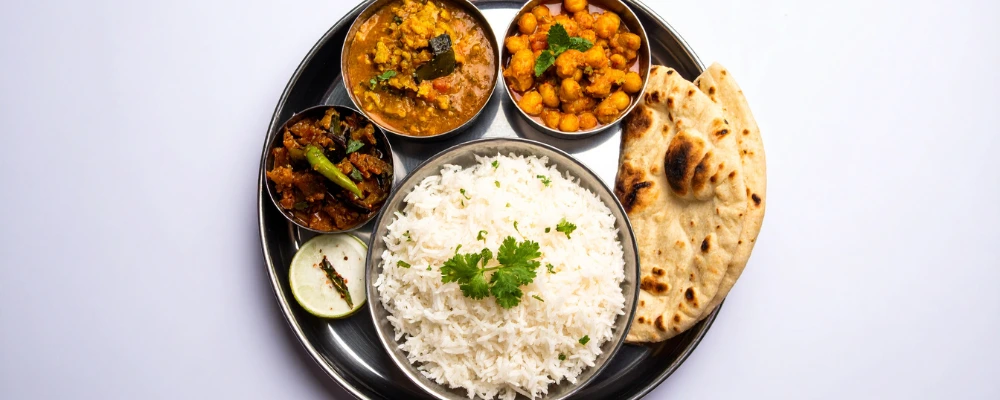
Winter dinners should be:
- Warm
- Light
- Early
Warm dinner ideas:
- Soup with sautéed vegetables
- Lentils with steamed vegetables
- Millet-based meals
- Heavy dinners late at night often worsen cough, acidity, and sleep quality.
- Winter Lunch Ideas for Sustained Energy
- Midday digestion is strongest—making lunch the ideal time for slightly heavier meals.
Winter lunch ideas:
- Seasonal vegetables with grains
- Balanced protein + fiber meals
- Freshly cooked home-style food
- This keeps energy stable through the colder evenings.
Good Winter Drinks (Often Overlooked)
People drink less water in winter, which silently affects digestion, skin, and immunity.
Good winter drinks:
- Warm water
- Herbal infusions
- Light soups
- Avoid excessive caffeine and sugary drinks—they dehydrate and overstimulate.
What Homeopathy Thinks About Food During Cold Weather
From a homeopathic perspective, food is not viewed merely as fuel—it is seen as a regulator of the body’s internal balance. Homeopathy places strong emphasis on how diet influences digestion, immunity, and the body’s natural ability to heal itself, especially during seasonal transitions like winter.
Cold weather is believed to slow the body’s vital processes, particularly digestion and circulation. When digestion weakens, the body struggles to assimilate nutrients efficiently, which can reduce immunity and make a person more vulnerable to colds, coughs, throat infections, and fatigue. Homeopathy therefore considers winter illnesses not as isolated problems, but as signs that the body is struggling to adapt to environmental changes.
In this context, food becomes a key supporting factor. What you eat can either support the body’s self-regulatory mechanisms or place additional strain on them.
Homeopathy’s View on Cold, Heavy, and Processed Foods

Homeopathy traditionally discourages excessive intake of cold, raw, or heavily processed foods during winter. Such foods are thought to interfere with digestive efficiency and increase internal imbalance, particularly when the body already has to work harder to maintain warmth.
Cold foods and drinks are believed to suppress digestive activity, making it harder for the body to generate internal heat. Similarly, fried and overly rich foods may burden digestion, leading to heaviness, sluggishness, and accumulation of metabolic waste—factors that, over time, can lower resistance to seasonal illnesses.
From a homeopathic viewpoint, frequent consumption of refined sugar and processed foods may also disturb the body’s natural equilibrium. These foods may provide short-term comfort but often lead to fluctuations in energy, mood, and immunity, which are commonly observed during winter months.
Why Homeopathy Emphasises Digestive Strength in Winter
A central principle in homeopathy is that strong digestion supports strong immunity. Rather than focusing only on suppressing symptoms like cough or congestion, homeopathy looks at whether the body is able to process food efficiently and eliminate waste properly.
During winter, weakened digestion can manifest as:
- Frequent colds or lingering cough
- Bloating, constipation, or acidity
- Low energy and heaviness
- Increased sensitivity to cold
This is why homeopathy often recommends dietary habits that are warm, simple, and easy to digest—especially when someone is prone to recurrent winter illnesses.
What Homeopathy Recommends Eating During Cold Weather
Homeopathy generally supports foods that help maintain internal warmth without overstimulating the system. Warm, freshly prepared meals are preferred because they are easier for the body to assimilate and place less strain on digestion.
Cooked vegetables, soups, and lightly spiced meals are often encouraged during winter as they help maintain balance between nourishment and digestibility. Foods that are seasonal and locally available are also considered more compatible with the body’s needs, as they naturally align with climatic conditions.
Rather than rigid dietary rules, homeopathy promotes listening to the body’s responses—noticing how certain foods affect energy, digestion, mucus formation, or susceptibility to colds. This individualized approach is central to homeopathic philosophy.
The Role of Warmth and Moderation in Homeopathic Diet Advice
Homeopathy does not advocate extreme restrictions. Instead, it emphasizes moderation, consistency, and suitability. Foods that are warming in nature, consumed in appropriate quantities, are believed to help the body adapt better to winter stress.
Overeating—even healthy foods—can weaken digestion just as much as poor food choices. This is why homeopathy often advises regular meal timings, mindful eating, and avoiding late-night heavy meals, especially in colder months.
Warm fluids, simple meals, and avoiding sudden dietary extremes are seen as practical ways to support the body’s natural healing capacity during winter.
Diet as a Support, Not a Substitute

It is important to note that from a responsible homeopathic standpoint, diet is viewed as supportive care, not a replacement for professional treatment. Food choices help create an internal environment where the body can respond better to treatment and recover more efficiently.
When combined with individualized care and lifestyle awareness, appropriate winter nutrition can reduce the frequency of illness, improve resilience, and support overall well-being through the colder months.
The Bigger Picture: Winter Diet & Overall Well-being
Poor winter food choices don’t just affect the body. Over time, they impact:
- Energy levels
- Mood
- Focus
- Emotional resilience
When digestion and immunity suffer, mental well-being often follows.
Balanced winter eating supports both physical and emotional health.
Frequently Asked Questions
What are the best winter foods for immunity?
Warm soups, root vegetables, cooked seasonal foods, and gentle spices support immunity in winter.
Why do we crave sugar and fried food in winter?
Because the body seeks quick heat and energy. Choosing better warming foods satisfies this need without harm.
Are soups really enough for winter nutrition?
Yes, when paired with balanced meals. Soups support digestion, hydration, and immunity.
Winter health is deeply individual.
Consult a qualified homeopathic doctor to understand what your body needs during cold weather. Get an online homeopathy consultation and receive personalised guidance from experienced doctors.